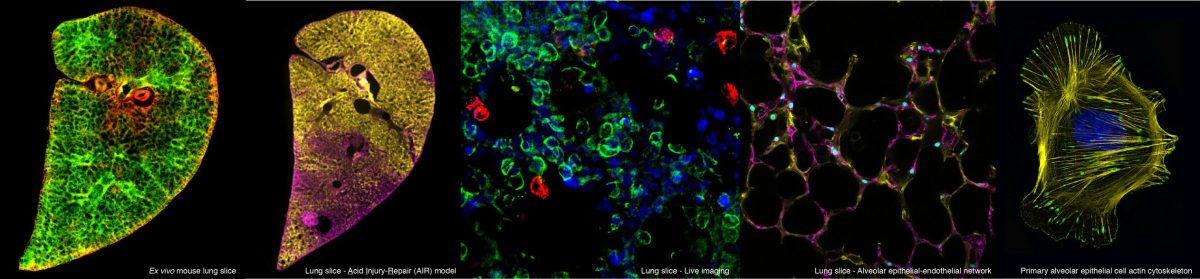
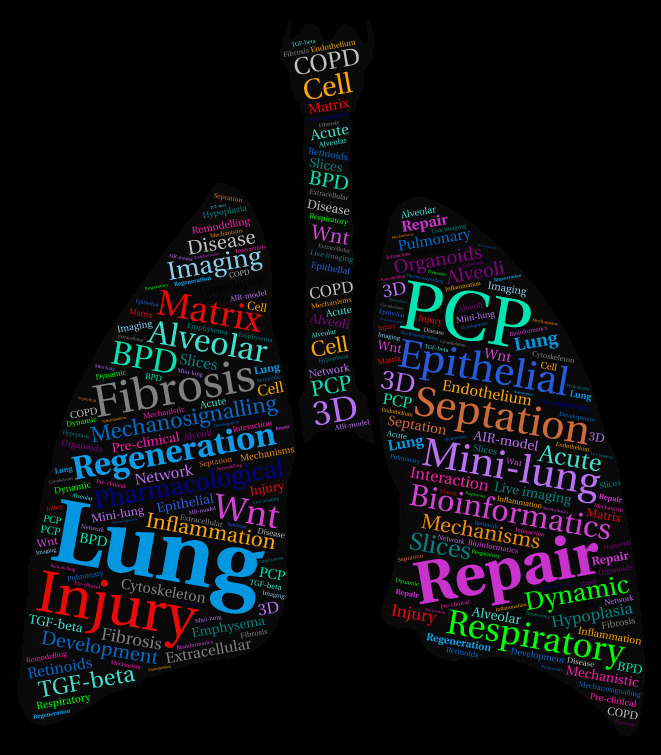
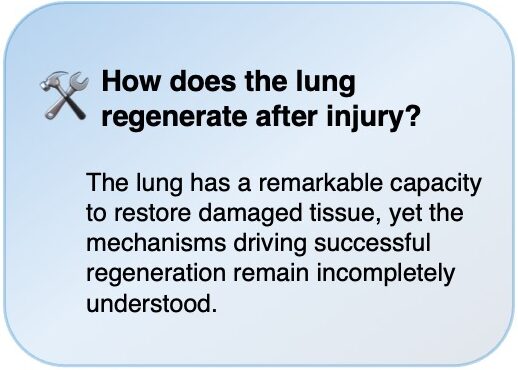
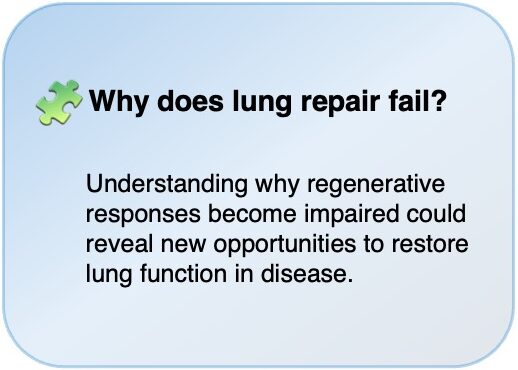
The lungs are capable of repair but, in some people lung repair doesn’t happen properly either because of genetic mutations and/or exposure to repeated damaging exposures such as pollution or smoking. There are several common lung diseases where the gas exchange surface of the lungs (alveoli) becomes damaged including chronic obstructive pulmonary disease (COPD), adult respiratory distress syndrome (ARDS) and pneumonia. Also, premature babies often have fewer alveoli than a full-term baby because they have had less time in utero. This can lead to a disease called Bronchopulmonary Dysplasia, which can have lifelong effects on breathing and lung health. At the moment there are no treatments available that can slow down the progress of these diseases or prevent them.
We need to take a bold, new approach to identify novel treatments for these diseases; this is the aim of our research.
Our big questions:
Contact us
Dr Charlotte Dean
Associate Professor in Lung Development and Disease
Inflammation and Repair · National Heart and Lung Institute · Imperial College London
Visit us
📍 Hammersmith Campus, London W12 0NN
Level 5, Dr Victor Phillip Dahdaleh (VPD) Building, Du Cane Road
